
Shokumu Hiroba
The open square for digital employees.
広場 (hiroba) is the Japanese word for an open square: the place where people come together, look around and meet. The Shokumu Hiroba is that place for digital employees.
The concept
Look around, meet them, and get your own.
- 01
Look around
Every digital employee here takes on one job. Walk through the departments, open a card and see the steps of the job.
- 02
Get a variant made for you
Use them as inspiration. The digital employee you hire is a variant built for your company: your rules, your systems, your exceptions.
- 03Planned
Meet our partners’ digital employees
Partners of Shokumu who build digital employees will show theirs here too, on the same platform and under the same rules.
Sectors & departments
How the square is laid out.
Some jobs belong to a sector, like trip paperwork in transport. Others belong to a department that almost every company has, like purchase invoices in finance. Pick yours and meet the digital employees who take on that work.
Life Sciences
 TessTMF intake and completeness
 MonaMonitoring follow-up letters
 LenaLiterature review (CER)
Your sector or department
Your job is not listed? Tell us your sector or department and the work that takes your team’s time. Let’s explore together which digital employees matter to your business.
Let’s explore togetherExamples by department
Meet some of them.
Each card is one job, with the steps the digital employee takes. Open a card to see how the job is done. Use them as examples: yours will be built for how your company does the job.
Customer service & sales
Orders, returns, claims, price lists and customer questions that arrive in every format, turned into checked work for your team. More about customer service and sales →
-
 Katia
Order entry
Turns customer order emails into checked orders for your ERP.
Now step 1 of 5Is it a new order?
Reports to a human manager. The human manager decides.
-
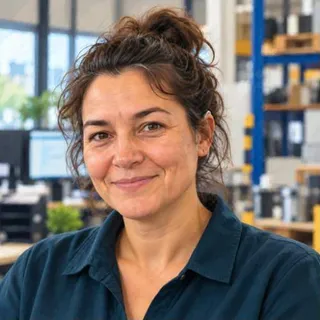 Elise
Dealer order entry
Turns a dealer's order email into a checked order concept.
Now step 1 of 5Is it a new order?
Reports to a human manager. Inside sales decides.
-
 Rita
Returns, RMA & complaints
Turns a return request or complaint into checked lines with a next step.
Now step 1 of 5Find customer, delivery, article
Reports to a human manager. Customer service decides.
-
 James
Claims handling
Turns customer complaints into checked claims with a motivated remedy.
Now step 1 of 5Identify customer and delivery
Reports to a human manager. Your people decide.
-
 Robin
Price lists & product data
Turns supplier price lists into checked price and margin proposals.
Now step 1 of 5Read the price list
Reports to a human manager. The owners decide.
-
 Niels
Article classification
Gives every article the same 20 characteristics, in the market data and in your own data.
Now step 1 of 5Read the export
Reports to a human manager. Your sales team owns the rules.
-
 Missy
Customer insights
Turns sales, budget and market data into one page per customer, every week.
Now step 1 of 5Same weeks, three years
Reports to a human manager. The account manager decides.
-
Another job in customer service & sales?
Or the same job, done differently? It is done differently in every company. Show us how yours is done.
Let’s shape the job →
Logistics & Transportation
From the transport request to the invoice: order entry, dispatch, trip paperwork, proof of delivery and invoice release. More about logistics and transport →
-
 Toni
Transport order entry
Turns a transport request into a complete, checked order proposal.
Now step 1 of 5Read the whole request
Reports to a human manager. The planner decides.
-
 Tracy
Dispatch cockpit, ETA & customer questions
Shows the dispatcher what needs action now and answers ETA questions.
Now step 1 of 5Compare every stop
Reports to a human manager. The dispatcher, customer service and the planner decide.
-
 Dora
Transport documents intake
Splits, reads and places the paperwork of every trip, then checks the trip.
Now step 1 of 5Take the package
Reports to a human manager. Your team decides.
-
 Billie
Transport documents: read and recognise
Reads and links every transport document, then shows per shipment what is ready to invoice.
Now step 1 of 5Recognise the document
Reports to a human manager. The transport employee who checks the documents decides.
-
 Bruno
Document follow-up
Chases missing signed proof of delivery, CMR by CMR.
Now step 1 of 5Take the open CMRs
Reports to a human manager. Your team decides.
-
 Fien
Invoice release (POD/CMR)
Checks per CMR whether a shipment is ready to invoice.
Now step 1 of 5Start with the checked CMR
Reports to a human manager. The invoice owner decides.
-
Another job in logistics & transportation?
Or the same job, done differently? It is done differently in every company. Show us how yours is done.
Let’s shape the job →
Finance & Controlling
Purchase invoices, bank lines, payment batches, reminders, expenses, timesheets and controls, checked and prepared. A person approves and pays. More about finance and controlling →
-
 Penny
Purchase invoices
Checks every purchase invoice and gets it approved before booking.
Now step 1 of 5Take every invoice
Reports to a human manager. The finance owner and the budget owners decide.
-
 Greet
Bank reconciliation & month-end
Matches every bank line to its open item and keeps the month-end checklist.
Now step 1 of 5Read bank and open items
Reports to a human manager. The accounting owner decides.
-
 Betty
Payment batches
Prepares the weekly payment batch; a person approves and pays.
Now step 1 of 5Payment day, 08:00
Reports to a human manager. The finance owner decides.
-
 Herman
Debtor follow-up
Lists overdue customer invoices and proposes a reminder for each.
Now step 1 of 5Read open invoices
Reports to a human manager. The Finance Manager decides.
-
 Carine
Expense notes
Turns receipts into checked expenses for the project leader to approve.
Now step 1 of 5Read the receipt
Reports to a human manager. The project leaders decide.
-
 Wendy
Timesheets
Collects the weekly timesheets and gets the approved hours ready to invoice.
Now step 1 of 5Keep the projects
Reports to a human manager. The admin decides.
-
 Iris
Accounts payable
Shows what blocks each invoice, who has to act, and whether paying is safe.
Now step 1 of 5Check that paying is safe
Reports to a human manager. Accounts payable and the action owners decide.
-
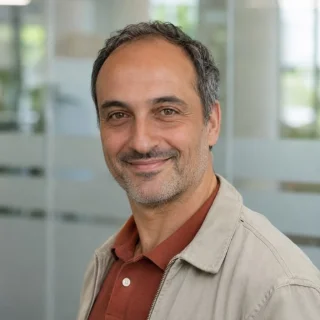 Ruben
Controller
Prepares the weekly report figures and the management presentation.
Now step 1 of 5Start from the sales figures
Reports to a human manager. The controller decides.
-
 Tally
Badge check
Checks every badge registration and shows which days need a look.
Now step 1 of 5Expected, registered, to check
Reports to a human manager. The owners and admins decide.
-
 Vera
Internal audit
Tests every control of the matrix and keeps the proof.
Now step 1 of 5Test every control
Reports to a human manager. The internal auditor decides.
-
Another job in finance & controlling?
Or the same job, done differently? It is done differently in every company. Show us how yours is done.
Let’s shape the job →
Operations
Planning, purchasing and quality: every shortage, late delivery or doubtful certificate shown next to its options. More about operations →
-
 Mira
Material planning (MRP)
Plans materials for twelve weeks and proposes how to solve every exception.
Now step 1 of 5Check the ERP extract
Reports to a human manager. The planner decides.
-
 Thierry
Store staff planning
Builds a five-week store roster and shows every gap with its options.
Now step 1 of 5Record who can work where
Reports to a human manager. The planner decides.
-
 Peter
Purchase confirmations
Checks every supplier order confirmation against the purchase order.
Now step 1 of 5Find the order
Reports to a human manager. The buyer decides.
-
 Cleo
Incoming certificates
Checks incoming supplier certificates and proposes release or block.
Now step 1 of 5Read the certificate
Reports to a human manager. QA decides.
-
Another job in operations?
Or the same job, done differently? It is done differently in every company. Show us how yours is done.
Let’s shape the job →
Life Sciences
Clinical trial documents, monitoring follow-up letters and literature reviews, prepared for your team to review. More about life sciences →
-
Tess
TMF intake and completeness
Reads every incoming trial document and proposes where it belongs in the TMF.
Now step 1 of 5Read the document
Reports to a human manager. The TMF team decides.
-
Mona
Monitoring follow-up letters
Turns a CRA's monitoring findings into a traceable draft follow-up letter.
Now step 1 of 5Take the findings
Reports to a human manager. The CRA decides.
-
Lena
Literature review (CER)
Searches, sorts and lists the literature for a clinical evaluation report.
Now step 1 of 5Check the input
Reports to a human manager. The reviewer decides.
-
Another job in life sciences?
Or the same job, done differently? It is done differently in every company. Show us how yours is done.
Let’s shape the job →
Your department not listed?
Every digital employee here started with a job a company showed us. Yours can be next.
Your job is not listed? Tell us your sector or department and the work that takes your team’s time. Let’s explore together which digital employees matter to your business.
Let’s explore togetherQuestions about which jobs a digital employee can take on.
Which tasks can AI take over in our company?
Jobs your human employees do again and again and that take a lot of their time. The examples here show the range: checking purchase invoices, matching bank lines to open items, reading and placing the paperwork of every trip, checking supplier certificates, planning materials or proposing where trial documents belong in the TMF. A digital employee takes on one such job.
What if the job we want to hand over is not listed?
That is how every digital employee here started: with a job a company showed us. Tell us your sector or department and the work that takes your team’s time. We then work through it with the human employees who know the job, using real work.
We do this job differently from the example. Does that matter?
No. The same job is done differently in every company, so the digital employee you hire is built for yours: your rules, your systems, your exceptions. Where a proven digital employee exists for similar work, it can serve as the starting point and is adapted for your company.
Which sectors and departments do the examples cover?
Customer service and sales, logistics and transportation, finance and controlling, operations, and life sciences. Some jobs belong to a sector, like trip paperwork in transport; others belong to a department almost every company has, like purchase invoices in finance. The examples are a starting point, not a limit.
Do digital employees work with our ERP and other systems?
Yes, as far as their job requires. Each digital employee’s software includes the integrations their job needs: Katia turns order emails into checked orders for your ERP, Mira starts from an ERP extract and Betty prepares a SEPA payment file. They can receive and send email and read spreadsheets, Word documents, PDFs and images. They get access only to the systems and information their job requires.
Which job should we start with?
One that takes your team a lot of time and comes back every day. To gauge it, ask how long a capable new human employee would need before most of their work no longer has to be checked; the answer points to the unwritten rules behind the job. Working through real cases can change the picture: at one customer, order entry turned out to have twelve unwritten rules. Simple jobs belong on the platform too.
Who makes the decisions in these jobs?
Your people. Each digital employee reports to a human manager, and each card names who decides: the planner, QA, the buyer, the CRA. In finance, the digital employee checks and prepares the work; a person approves and pays. When they are unsure, they ask, as Greet does about a bank line without a reference.
Can one digital employee take on several jobs?
Each digital employee takes on one job. Where a role includes several jobs, each job that suits a digital employee gets their own, for example Penny for purchase invoices and Betty for payment batches. They work in one shared workplace, so your people find, review and correct their work in the same way.
What happens once we have chosen a job?
Your human employees show our human solution expert how they do the job, and the expert asks questions to uncover the rules and exceptions they may not think to explain. We then build the digital employee and put them to work. Your people review and correct the work, and we use those corrections to adjust the rules.