
Ask someone how they process a customer order and you will get a clean answer. The document comes in, you check it, you enter it in the system, done. Then sit next to them for an hour.
You will see them open an email from one customer and know straight away that "the usual" means two pallets, not one. You will see them skip a price check for one client because the contract changed last month, and slow down for another because their orders often contain an error. None of that is in a procedure. Most of it is not even in their own head as a rule. It is just how the job is done.
That is the job nobody wrote down.
The description is not the job
Every company has job descriptions, process maps and work instructions. They are useful, but they describe the standard case. The real work happens in the exceptions: the customer who orders in boxes while you sell per unit, the supplier who always sends the invoice before the goods, the colleague in another branch who wants a phone call instead of an email.
Experienced people carry hundreds of these small rules. They learned them by making mistakes, by asking colleagues and by remembering what went wrong last time. That knowledge is valuable, and it is fragile. When that person is sick, on holiday or leaves the company, a large part of the job leaves with them.
Why this matters for automation
Most automation projects start from the description. Someone draws the process, a tool is configured to follow it, and the first demo looks great. Then the exceptions arrive, and the team ends up checking everything by hand again, or working around the tool.
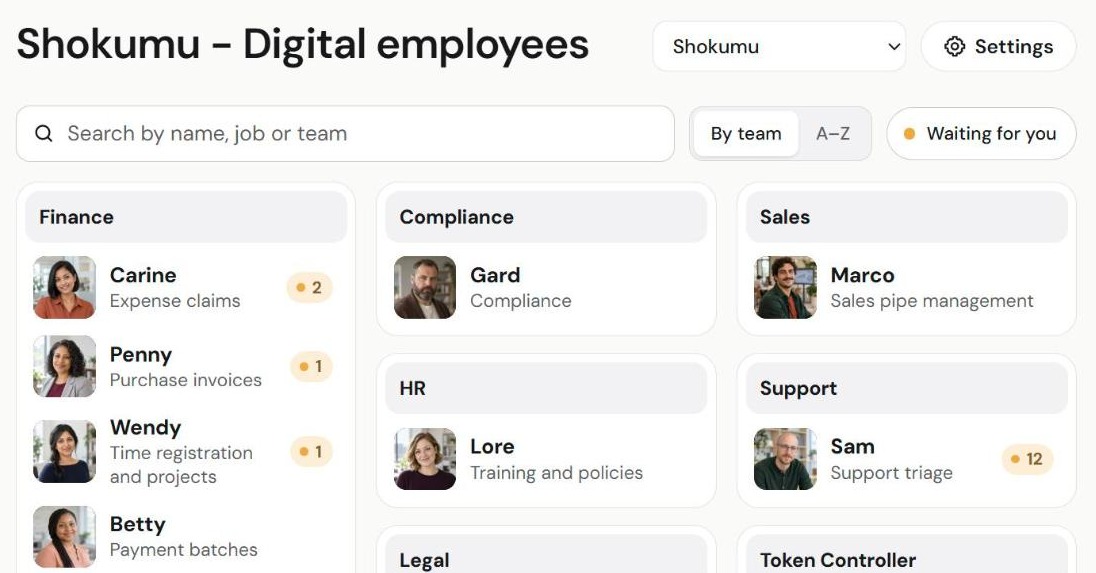
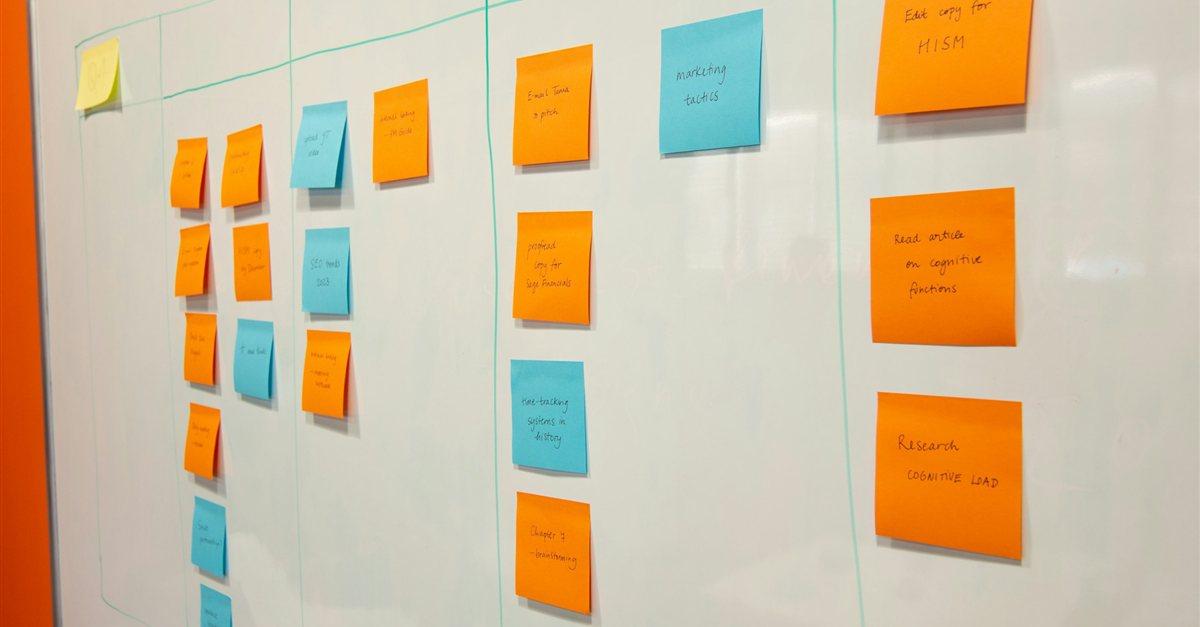
A digital employee starts from the other side. Before anything is built, we sit with the people who do the job today. We look at real work: real orders, real emails, real corrections. We ask why something was done a certain way, not only what was done. The goal is to capture the rules people follow without thinking about them.
Writing it down, for real
What comes out of that is not a slide. It is the set of rules the digital employee works with, in plain language that anyone in the team can read:
- which senders it accepts, and what it does with the rest
- how a customer's units translate into your own
- which customers need an extra check, and why
- when it may approve on its own, and when it asks a colleague
When the digital employee is unsure, it does not guess. It asks the person who knows, and that answer becomes a new rule. Over time, the knowledge that lived in a few heads is written down in one place, and it stays there.
A side effect nobody expects
Teams often tell us the most useful part is not the time saved. It is that, for the first time, they can see how their own job works. New colleagues learn faster. Discussions about "how we do this" get shorter, because the answer is written down. And the experienced people who carried it all get some room to do the work only they can do.
Where to start
If you want to know whether a job is ready for a digital employee, do not start with the process map. Start by asking the person who does it: "What do you know about this job that is not written down anywhere?" The length of the answer tells you a lot.